Vinyasa Yoga
Live, expert-guided Vinyasa yoga that links breath to movement, building strength, stamina, and flexibility at your level.
What Is Vinyasa Yoga?
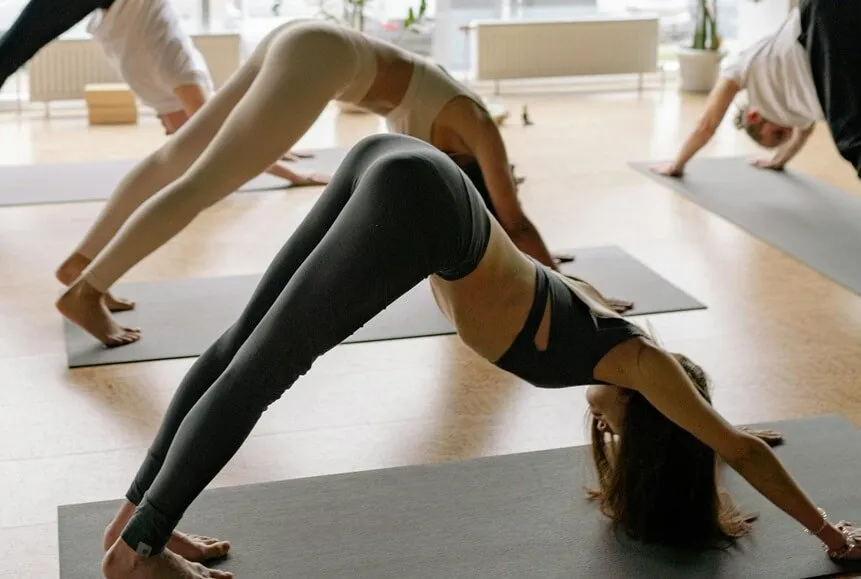
Vinyasa yoga links postures into flowing sequences timed to the breath. At YogShri, live expert-guided Vinyasa classes may help build strength, stamina, and flexibility together. Results vary.
- Builds Stamina
- Continuous movement raises your heart and breathing rate
- Builds Strength
- Repeated transitions work the arms, shoulders, core, and legs
- Breath Sets the Pace
- Each movement is timed to an inhale or an exhale
- Scales to You
- Every pose has an easier option offered as you go
Why Students Choose YogShri
Flowing classes move quickly, so live guidance matters. Our certified instructors watch your transitions and call out options before you need them.
Small groups of 10 to 15 for real focus
You are never just a tile on a screen. Smaller classes mean your instructor can see your transitions and step in before a habit sets in.
100+ live classes, morning to night
Join a session that fits your day - early morning, lunch break, or evening. Every class is live and interactive, never pre-recorded.
Options offered as the sequence moves
Knees down in plank, a shorter stance, blocks under the hands - your instructor offers the variation before you have to work it out mid-flow.
A practice shaped around you
We start with a one-on-one chat about your fitness and experience, then build a flow that gets stronger as you do.
Who Can Benefit from Vinyasa Yoga?
Vinyasa suits anyone who would rather keep moving than hold still. Our instructors offer an easier option at every step, so the pace stays yours.
Anyone Who Prefers to Keep Moving
If holding still makes your mind wander, continuous flowing sequences give your attention something to follow.
Runners & Gym-Goers
Flowing practice complements training by building mobility and single-side strength that repetitive miles tend to miss.
Anyone Wanting a Cardio Element
Continuous movement raises your heart and breathing rate, so a flowing class supports general fitness as well as flexibility.
Busy People Short on Time
A flowing session covers strength, mobility, and cardio in one go, which makes a short practice go a long way.
Students Ready for More Than Basics
If you know the foundational shapes and want a stronger challenge, linking them together is the natural next step.
Beginners Who Like a Challenge
No experience needed for a beginner-level flow. Expect to rest when you need to, which everybody does.
Key Poses in a Vinyasa Flow
These five shapes make up the backbone of most Vinyasa sequences, and together they form a Sun Salutation. Learn them individually first, then let the breath link them - one movement per inhale or exhale.
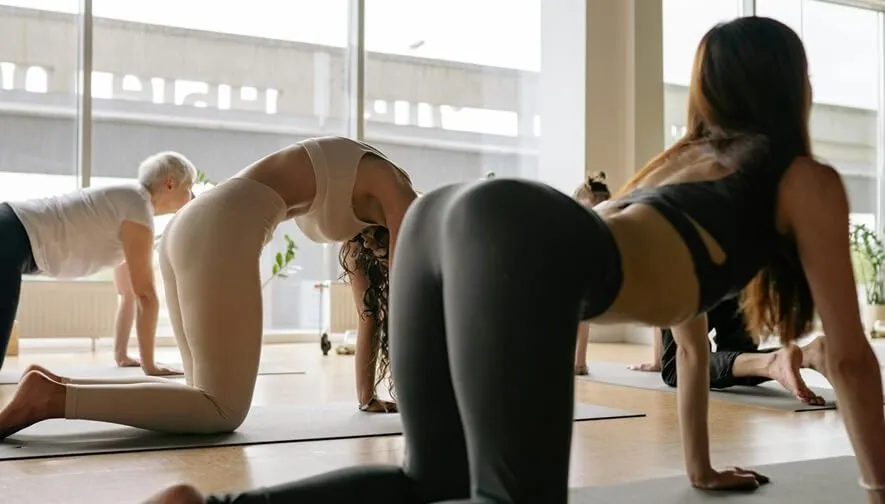
Cat-Cow
The simplest way to learn moving with your breath, and how most flowing classes begin.
- Start on hands and knees with the wrists under the shoulders and the knees under the hips
- Inhale and let the belly lower as the chest and tailbone lift
- Exhale and round the spine upward, letting the head release
- Keep the movement led by the breath rather than the other way around
- Repeat slowly, noticing where your spine moves easily and where it does not
Why it helps: May help mobilise the spine and teach the breath-to-movement timing that the rest of a Vinyasa class is built on.
Start Your Free Trial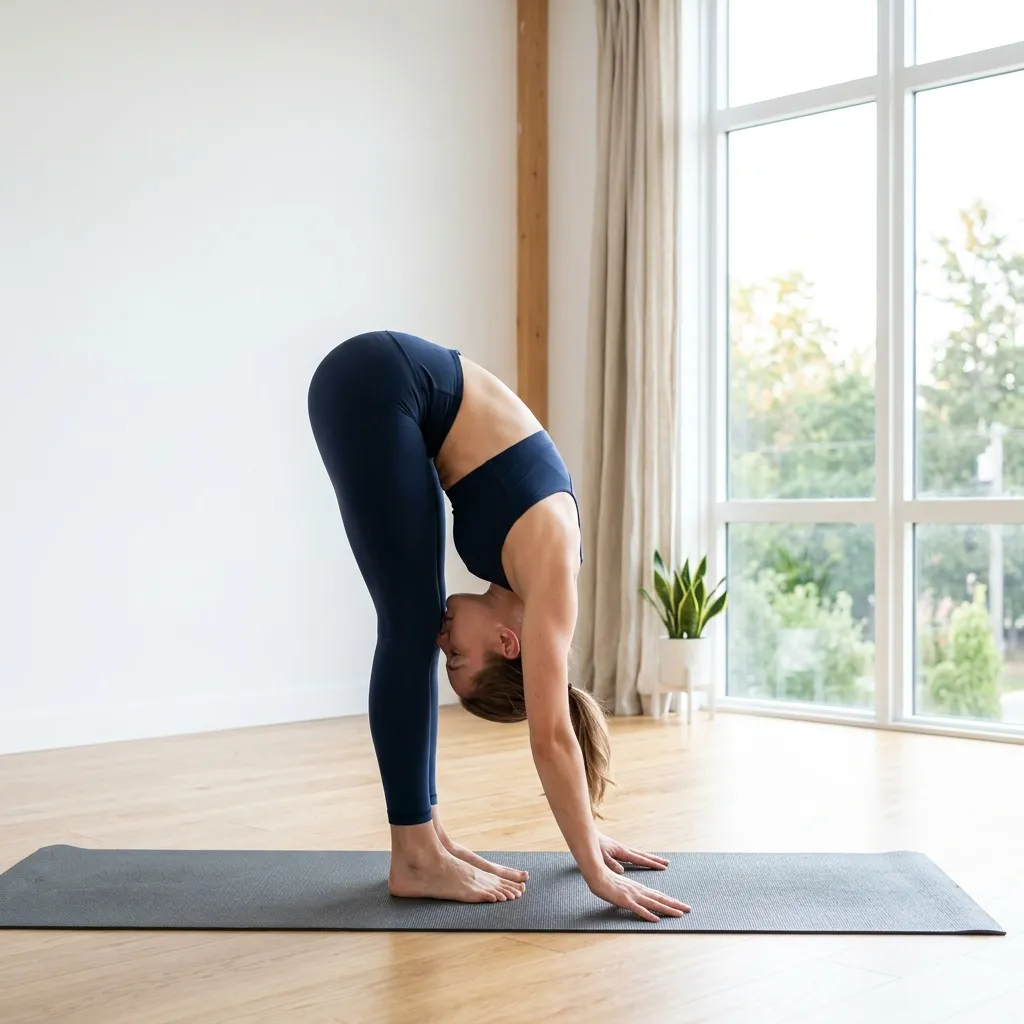
Standing Forward Fold
The fold that begins and ends every Sun Salutation.
- Stand with the feet hip-width apart and exhale as you fold forward from the hips
- Keep a generous bend in the knees so the spine can lengthen rather than the back rounding
- Let the head and neck hang and rest the hands on the shins, blocks, or the floor
- Release the jaw and let the breath stay slow
- Rise on an inhale with a soft bend in the knees
Why it helps: May help lengthen the hamstrings and lower back while the head-down position encourages the whole system to settle.
Start Your Free Trial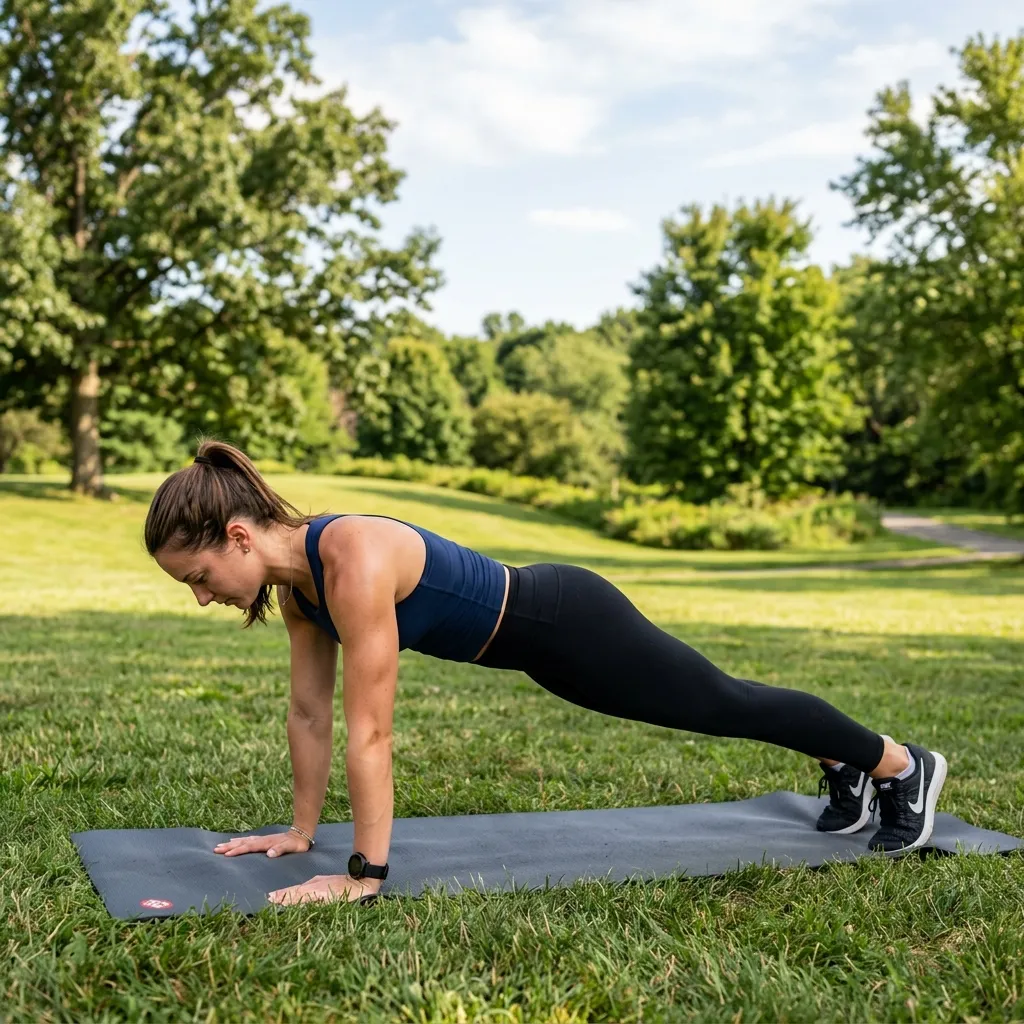
Plank Pose
The strength engine of a flow, and where most of the arm and core work happens.
- From hands and knees, step the feet back until the body forms one long line
- Stack the shoulders over the wrists and press the floor away
- Draw the lower ribs down so the lower back stays long rather than dipping
- Lower the knees to the mat whenever you need to - this is the strong option, not a lesser one
- Keep breathing steadily rather than holding the breath
Why it helps: May help build strength through the shoulders, arms, and core, which is what makes the transitions in a flow feel controlled.
Start Your Free Trial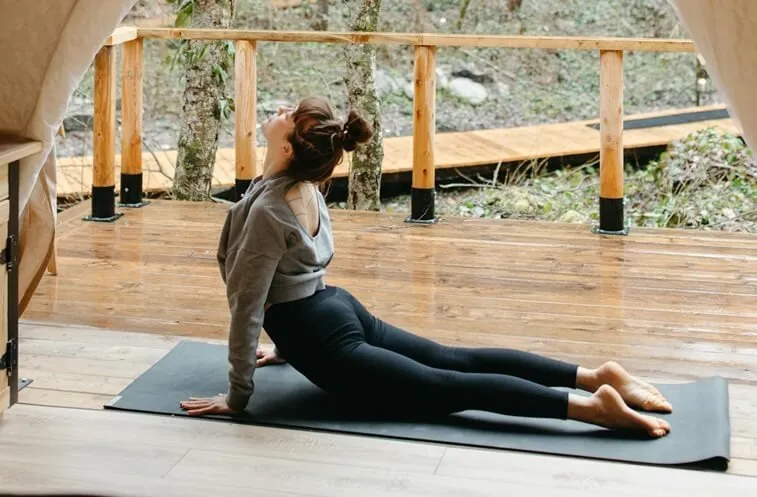
Cobra Pose
The gentle backbend that opens the front of the body midway through a Sun Salutation.
- Lie on your front with the hands under the shoulders and the elbows drawn in close
- Press the tops of the feet gently down into the mat
- Inhale and lift the chest, leading with the breastbone rather than pushing hard through the arms
- Draw the shoulders back and keep the neck long, looking forward rather than up
- Lower on an exhale and rest before the next round
Why it helps: May help open the chest and shoulders and encourage gentle spinal extension - a welcome counter to hours spent rounded forward.
Start Your Free Trial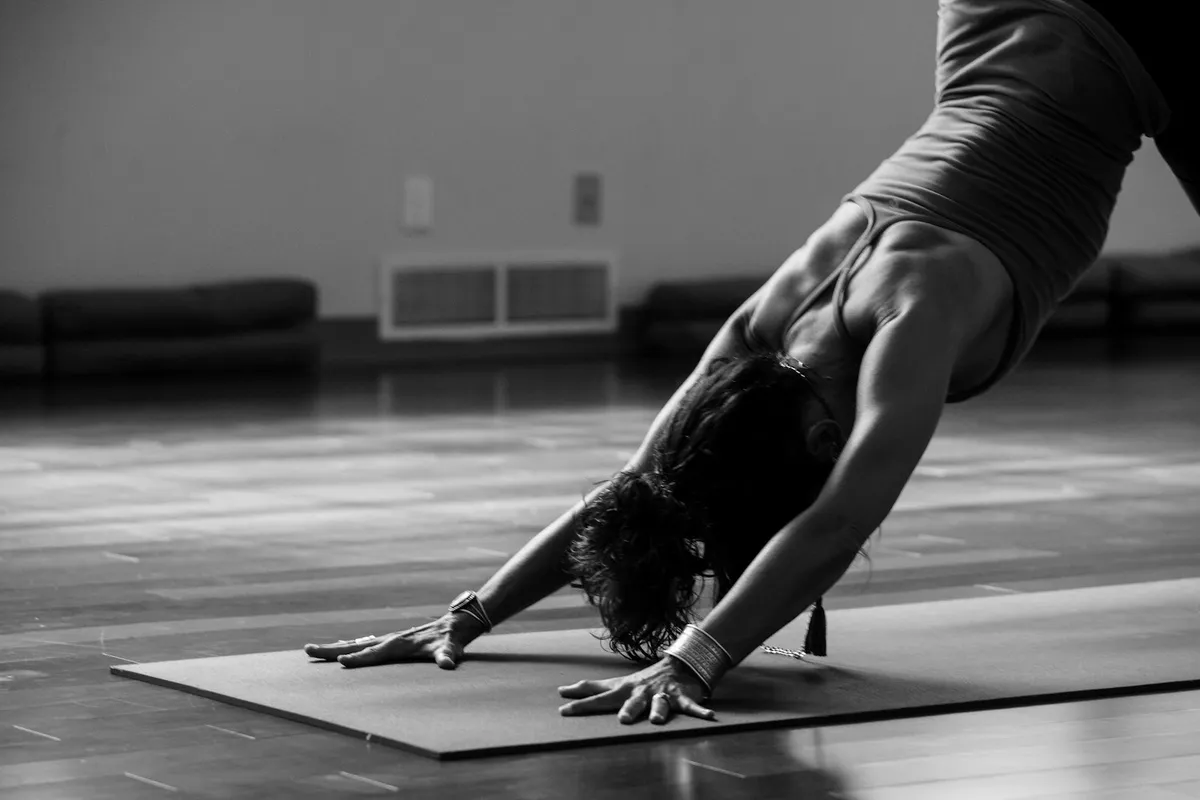
Downward-Facing Dog
The hub of a Vinyasa class, and where you will return to again and again.
- From hands and knees, tuck the toes and lift the hips up and back
- Keep a generous bend in the knees at first so the spine can lengthen
- Press the hands down evenly and let the head hang softly between the arms
- Ease the heels toward the floor only as far as is comfortable
- Bend the knees and rest whenever you need to
Why it helps: May help lengthen the hamstrings, calves, and shoulders at once while building strength through the arms and upper back.
Start Your Free TrialThe Benefits ofVinyasa Yoga
A consistent Vinyasa practice offers several connected benefits that support fitness, mobility, and general well-being.
- Supports FitnessContinuous movement raises your heart and breathing rate throughout the class.
- Builds StrengthRepeated plank and lunge transitions work the arms, shoulders, core, and legs.
- Builds StaminaLonger flowing sequences gradually improve how long you can keep moving.
- Links Breath to MovementTiming each movement to a breath encourages steadier, fuller breathing.
- Improves FlexibilityMoving through a full range repeatedly supports easier, freer movement.
- Supports BalanceFlowing transitions build steadiness and control as your weight shifts.
- Sharpens FocusFollowing a sequence with the breath gives a busy mind something to hold.
- Supports Stress ReliefCombining movement, breath, and rhythm supports relaxation and eases everyday tension.
Common Mistakes to Avoid
Flowing classes move quickly, which makes a few habits easy to slip into. These are the ones worth watching.
Letting the pace outrun your breath
The breath sets the tempo, not the room. If you are gasping, slow down or rest for a few breaths and rejoin.
Rushing the transitions
The moments between poses are where alignment slips. Move deliberately - a controlled transition is worth more than arriving first.
Letting the hips sag in plank
Draw the lower ribs down and keep one long line. Lower the knees whenever you need to; it is the stronger choice.
Treating rest as giving up
Taking a few breaths in child's pose mid-class is completely normal, and experienced practitioners do it too.
Starting cold
Give yourself a few rounds of gentle movement before the stronger sequences. Warm muscles move far more willingly.
Flowing every single day
Continuous practice is more demanding than it looks. Leave a gentler session or a rest day between stronger flows.
Practising Vinyasa Yoga Safely
This is general wellness guidance rather than medical advice. Flowing yoga suits most people and works best alongside your healthcare provider's guidance - please check with them first if you have a wrist, shoulder, or back injury, a diagnosed condition, high or low blood pressure, or you are pregnant.
Do
- Warm up with a few gentle rounds before stronger sequences
- Let your breath set the pace rather than the room
- Lower the knees in plank whenever you need to
- Spread the fingers wide to share the load across the hands
- Rest in child's pose whenever you want to and rejoin after
- Leave a gentler day between stronger flowing sessions
Avoid
- Rushing transitions at the cost of your alignment
- Any sharp, burning, or pinching sensation
- Holding your breath through a hard transition
- Letting the hips sag or the lower back dip in plank
- Loading the wrists without warming them up first
- Pushing on through genuine fatigue rather than resting
Key takeaways
- Vinyasa yoga links postures into continuous sequences timed to the breath, which builds strength, stamina, and flexibility together. Results vary from person to person.
- The breath sets the pace. If you are out of breath, slowing down or resting is the right call rather than pushing on.
- Most classes are built around the Sun Salutation, so learning that one sequence lets you follow along almost anywhere.
- Every pose has an easier option. Knees down in plank and blocks under the hands are strong choices, not lesser ones.
- Two or three flowing sessions a week with a gentler day between them suits most people better than daily flowing practice.
Explore Other Yoga Styles & Programs
Yoga for the Lower Back
Gentle, beginner-friendly yoga for your lower back. Instructor-guided poses and mindful movement to support mobility and everyday comfort.
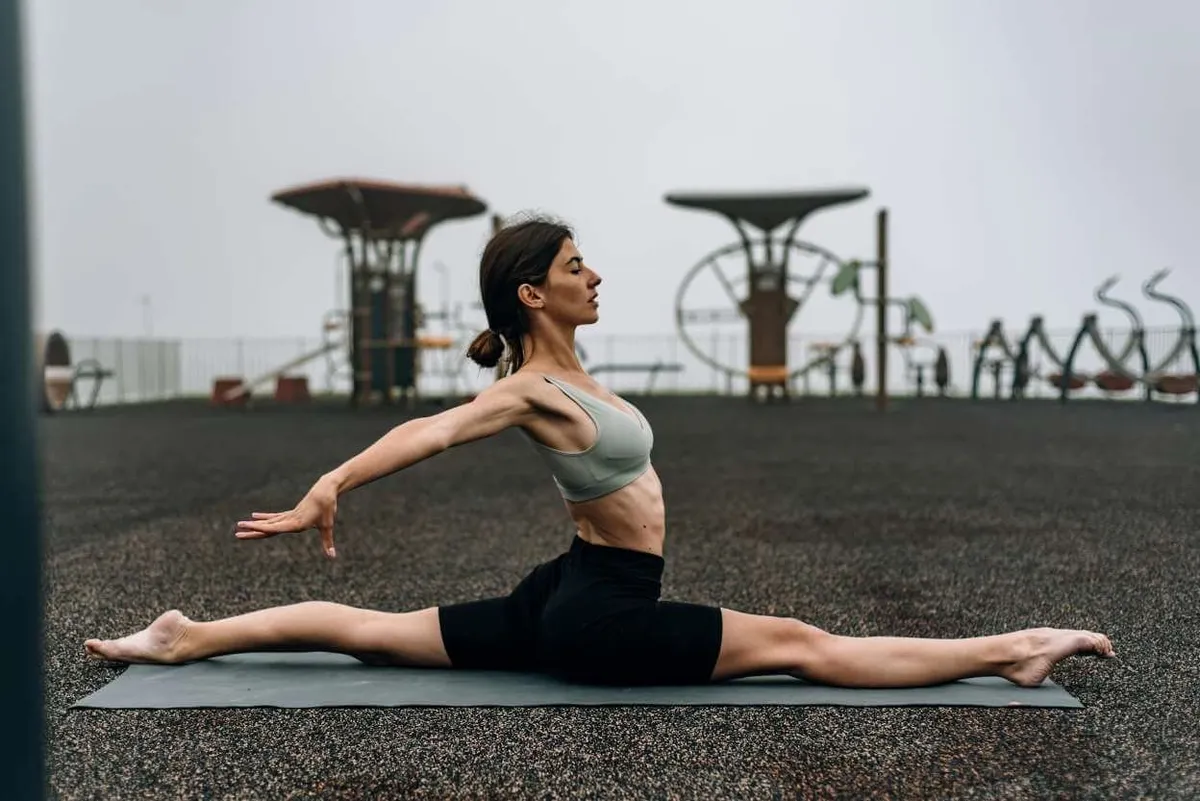
Yoga for Legs
Build stronger, more flexible legs with live, expert-guided yoga. Simple poses for hamstrings, quads, and calves, plus safe practice tips. All levels welcome.
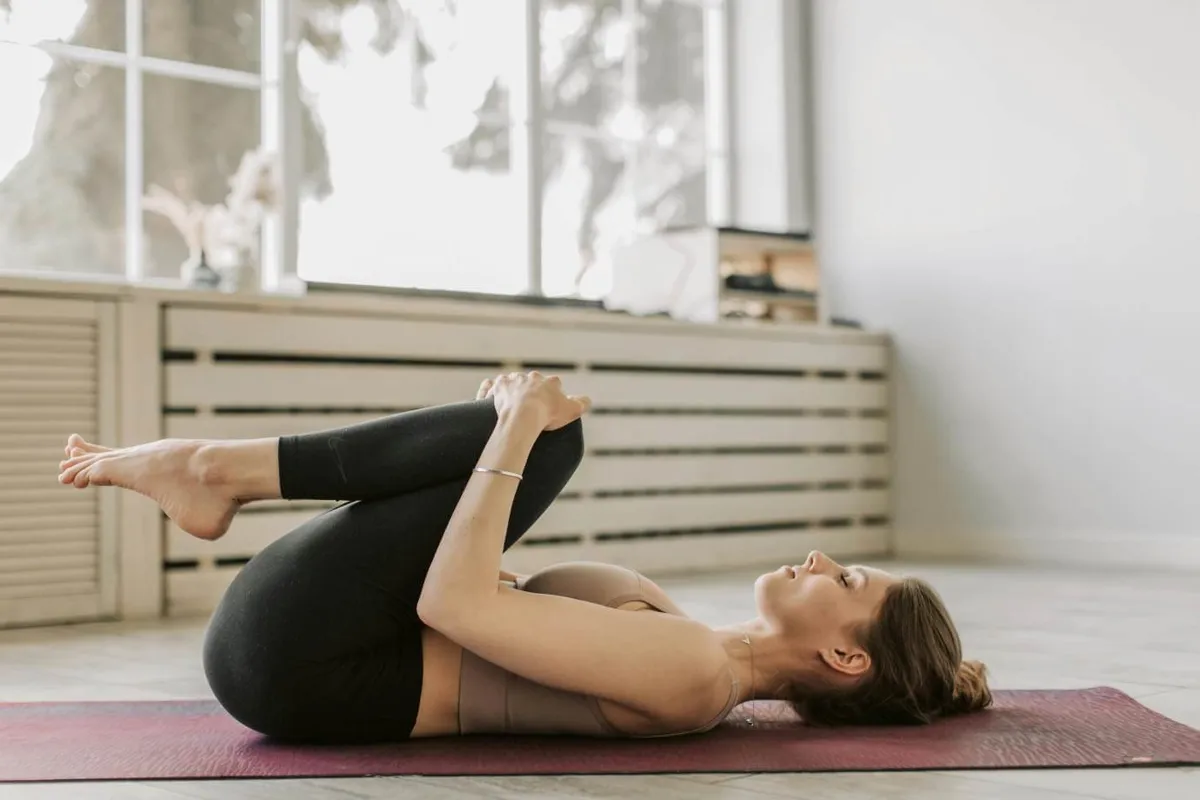
Yoga for Core Strength
Build real core strength with yoga. Five poses covering the front, sides, deep abdominals, and back body, guided live by certified instructors. All levels.
Learn More from Our Journal
Simple Breathing Exercises to Feel Calmer
Four straightforward breathing exercises you can do anywhere, when to use each one, and the one habit that makes the biggest difference.
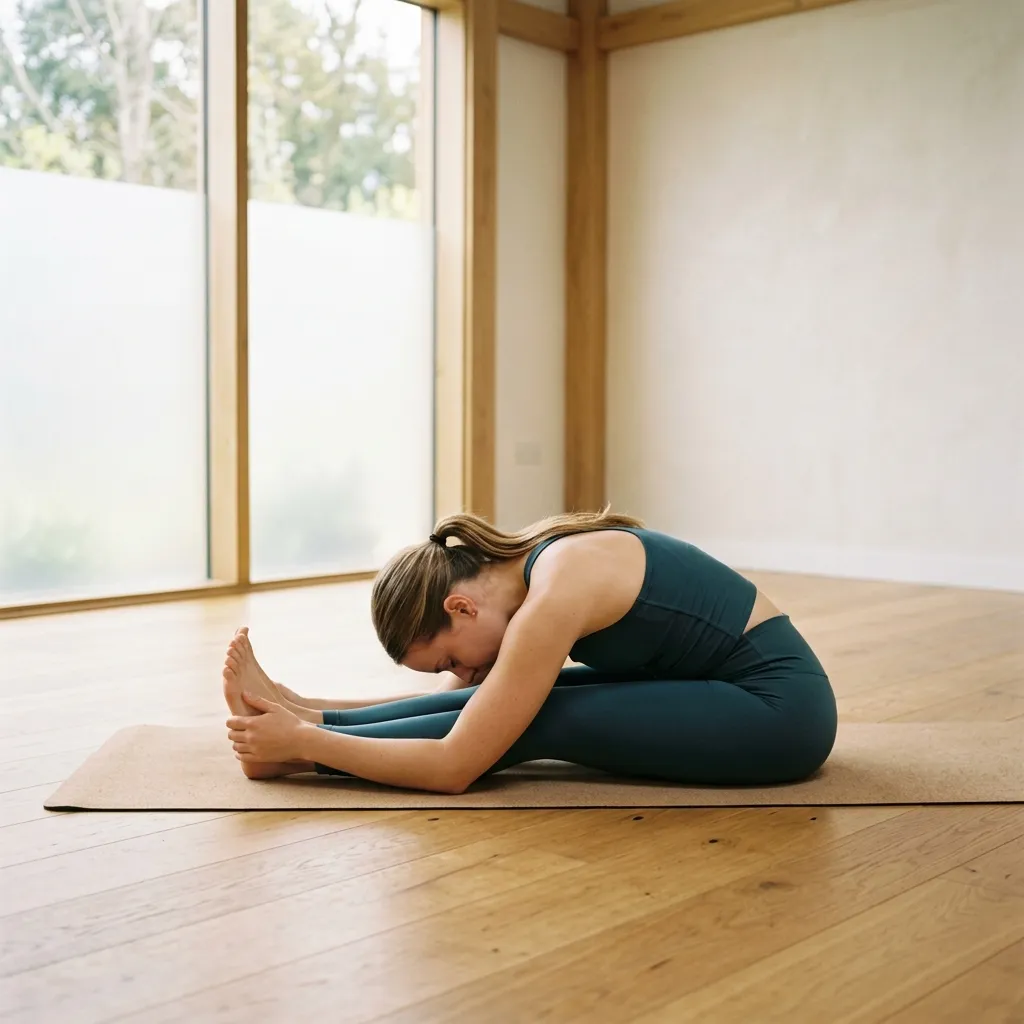
How Long Does It Take to Get Flexible?
A realistic look at how flexibility changes with regular yoga, why consistency matters more than intensity, and what to expect week by week.
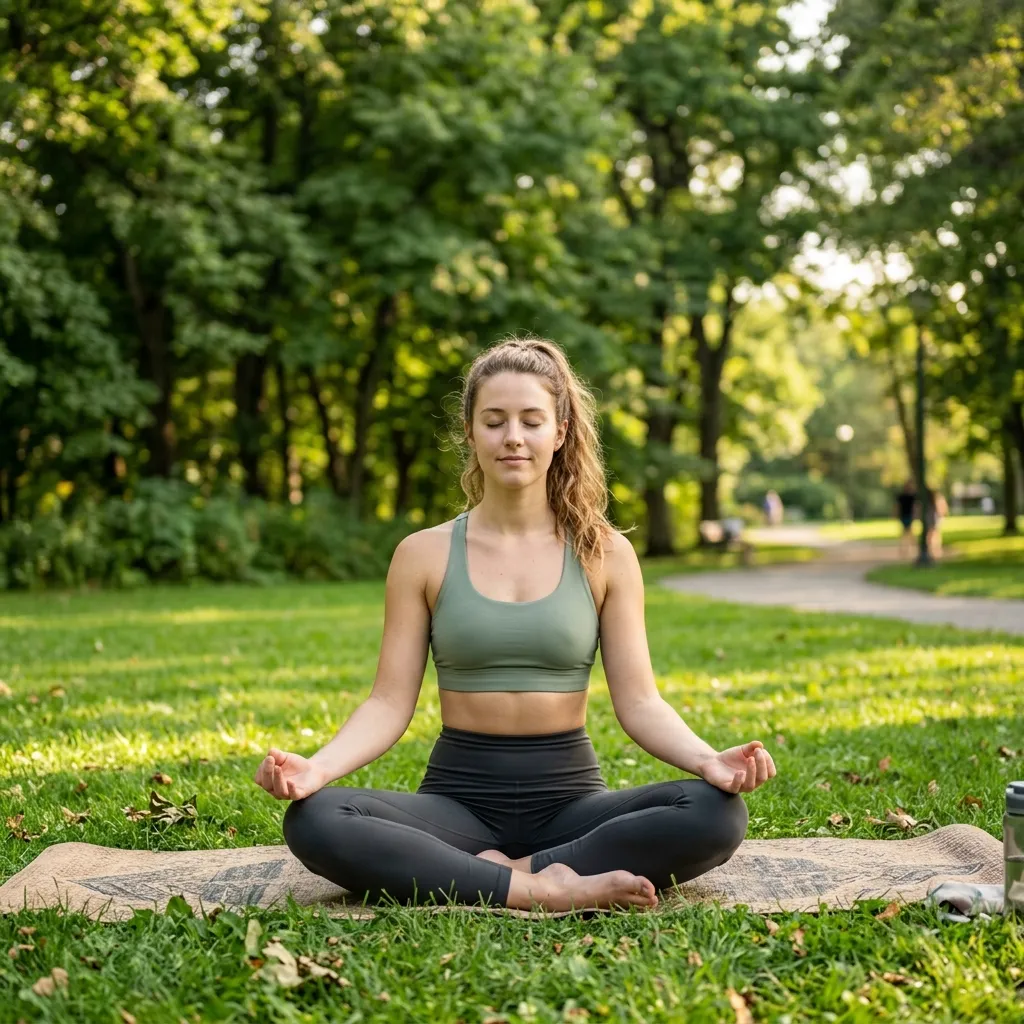
How Do Live Online Meditation Classes Work?
What happens in a live online meditation session, whether your camera stays on, what to sit on, and how a live class differs from using an app.
Questions About Vinyasa Yoga
What is Vinyasa yoga?
Vinyasa yoga links postures together in a continuous sequence, with each movement timed to an inhale or an exhale. Rather than holding a pose and pausing, you flow from one shape into the next, which makes the breath the thread running through the whole class.
Is Vinyasa yoga good for beginners?
Beginner-level Vinyasa classes work well as a starting point, particularly with a live instructor who can slow the pace and offer options. If you would prefer to learn the shapes before linking them together, a Hatha class first makes the flow easier to follow.
How is Vinyasa different from Hatha?
Vinyasa flows continuously with the breath; Hatha holds each pose for several breaths with pauses between. Vinyasa tends to feel more rhythmic and raises your breathing rate, while Hatha feels steadier and more instructional. Many students practise both.
Is Vinyasa yoga a good workout?
Yes. Continuous movement raises your heart and breathing rate, and repeated transitions through plank and lunges build real strength through the arms, shoulders, core, and legs. It supports cardiovascular fitness and stamina alongside flexibility.
What is a Sun Salutation?
A Sun Salutation is a short set sequence that most Vinyasa classes use to warm up - typically a standing fold, a plank, a gentle backbend, and downward dog, linked by the breath. Once you know it, you can follow most of a class.
How often should I practise Vinyasa yoga?
Two or three sessions a week suits most people, ideally with a gentler practice or a rest day between them. Continuous flowing work is more demanding than it looks, so recovery time is part of the plan.
Do I need to be fit or flexible to start?
No. Every pose has an easier option, and a good instructor offers them throughout - knees down in plank, a shorter stance, blocks under the hands. Strength and flexibility are what the practice builds.
What if I cannot keep up with the pace?
Rest whenever you need to and rejoin when you are ready. Taking a few breaths in child's pose mid-class is completely normal, and experienced practitioners do it too.
Sources & further reading
Ready to Find Your Flow?
Book a friendly, no-pressure consultation with YogShri. We will talk through your fitness and experience, then help you build a flowing practice that gets stronger as you do.