
Yoga for Stronger, More Flexible Legs
Strength and Length Together
Yoga builds leg strength and length in the same session. Here are five shapes that do most of the work.
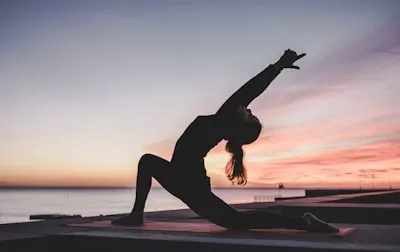
Legs usually get split into two separate projects. Strength happens in the gym; stretching happens afterwards if there is time, which there usually is not.
Yoga collapses the two together. A long-held Warrior II asks your thigh to work hard while your inner thigh and hip lengthen, at the same time, in the same shape. Our yoga for legs classes are built around that.
Long Holds Do Something Different
Ten slow squats and a ninety-second hold at the bottom of a squat are not the same stimulus. The hold recruits the deeper stabilising muscles, exposes the side that is quietly weaker, and gives connective tissue time to respond. It is also, frankly, harder than it sounds - most people discover their limit is patience rather than strength.
A Gentle Reminder
This is general wellness guidance rather than medical advice. If you have a knee, hip, or ankle concern, please check with a healthcare professional before adding long holds. A gentle practice works best alongside their guidance.
Five Shapes That Do the Most
Build the holds up gradually - start with five breaths and add from there. Coming out early with good alignment beats staying in while everything collapses.
- Chair pose - thighs and glutes, with the weight kept in the heels. Simple and unforgiving.
- Warrior II - front thigh working, inner thighs and hips opening. The classic two-for-one.
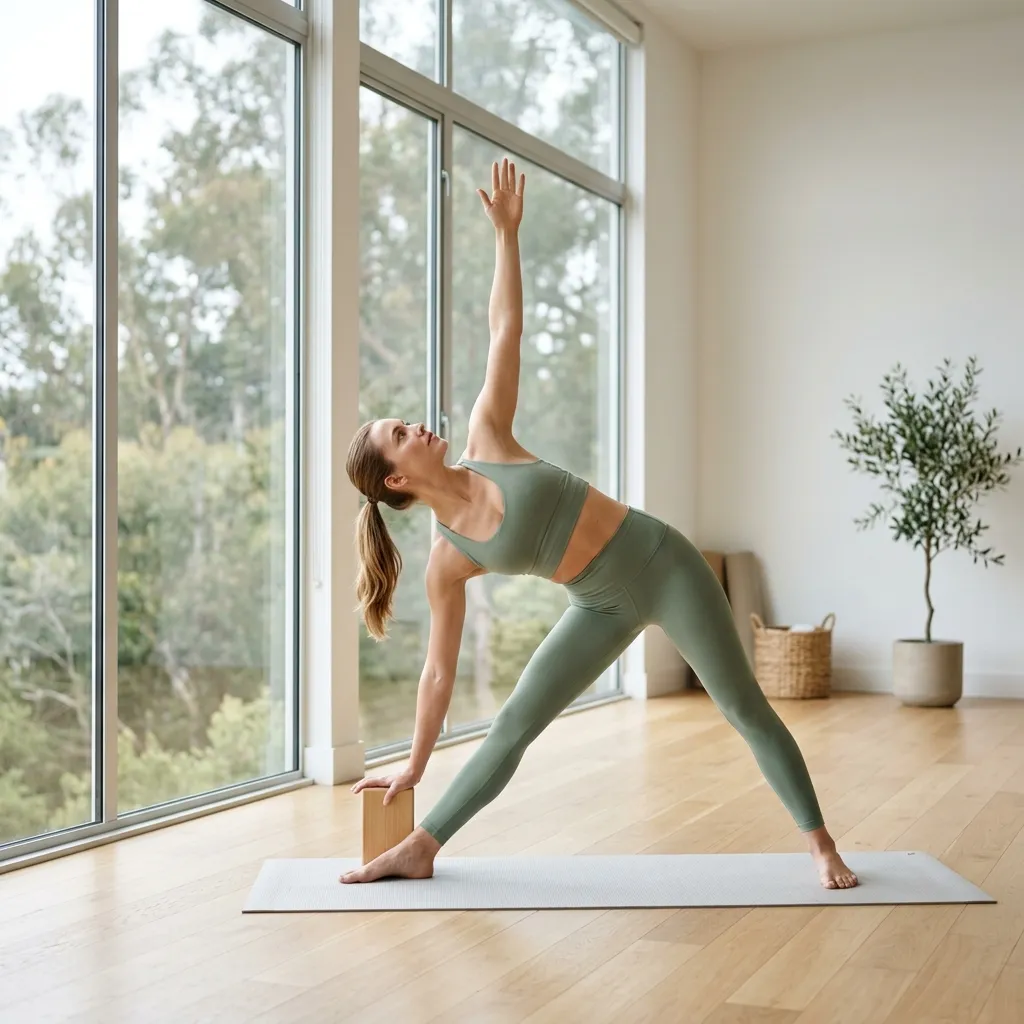
- Triangle - a long line through the back of the front leg, with the standing leg working to hold you there.
- Low lunge - the front of the back thigh and hip, which most of us shorten by sitting.
- Bridge - the back of the legs and glutes, with no load through the knees.
Ankles and Calves Deserve Attention
Stiff ankles quietly limit everything above them - squats get shallower, lunges tip forward, balance gets harder. Downward dog with the heels reaching down is doing calf and ankle work whether you meant it to or not, and a few slow heel raises at the end of a practice go a long way. It is unglamorous, and it makes a noticeable difference.
How Often for Steady Progress
Two or three sessions a week with real leg work in them is enough. Expect the first sign of progress to be endurance rather than appearance: holds getting longer, stairs feeling easier, less wobble on one leg. Compare sides regularly, because most of us are more one-sided than we think, and give the weaker side a little extra. Results vary. If your knees feel sensitive, yoga for knee relaxation covers how to adapt.
Helpful further reading
- Strength exercises — NHS
- Physical activity basics — CDC
- Yoga: What you need to know — U.S. National Center for Complementary and Integrative Health
About the author
The YogShri editorial team writes warm, plain-spoken, evidence-aware yoga and wellness guides. We teach mindful movement, breathwork and relaxation for everyday well-being. We are not medical professionals, and our articles are general education, not medical advice.
Put in the Leg Work
Join YogShri for live classes with instructors watching your alignment through every hold.
- Live guidance on your alignment
- Progressions you can build on
- Options for every body and level
No commitment. Cancel anytime.
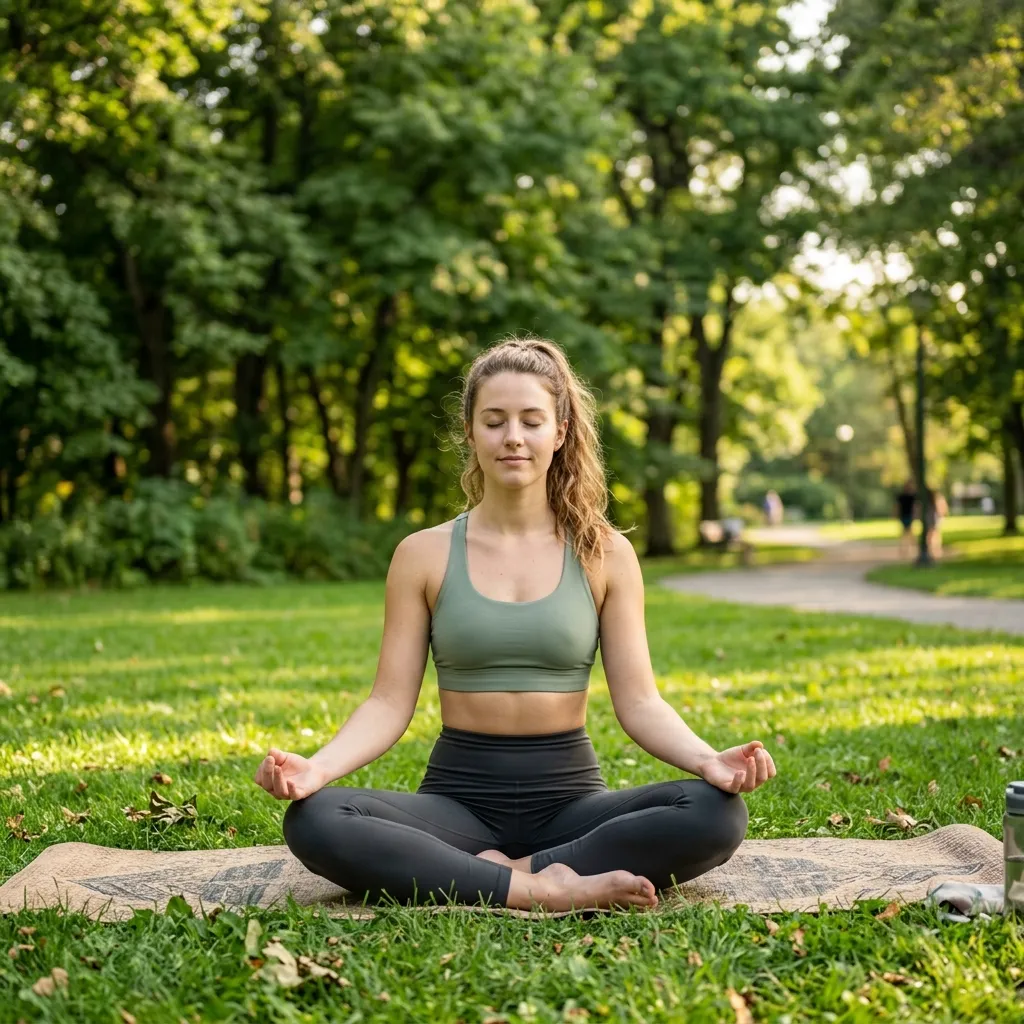
Explore Our Yoga Programs
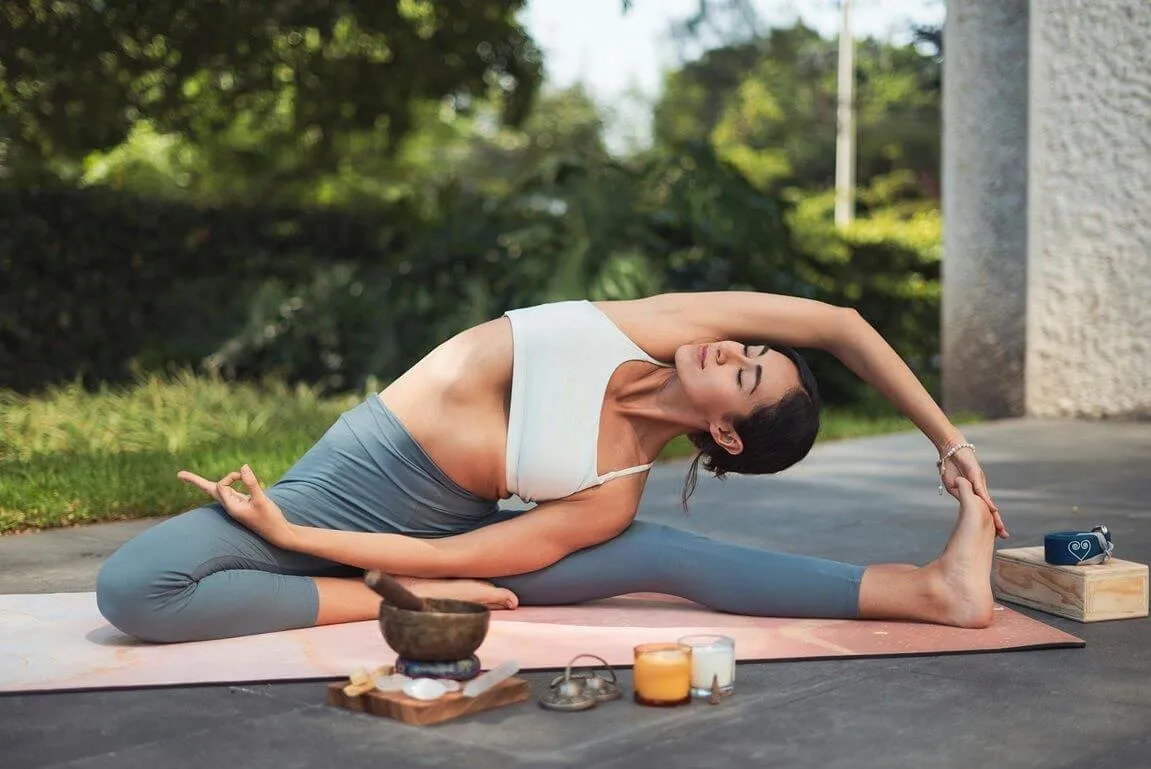
Yoga for the Lower Back
Gentle, beginner-friendly yoga for your lower back. Instructor-guided poses and mindful movement to support mobility and everyday comfort.
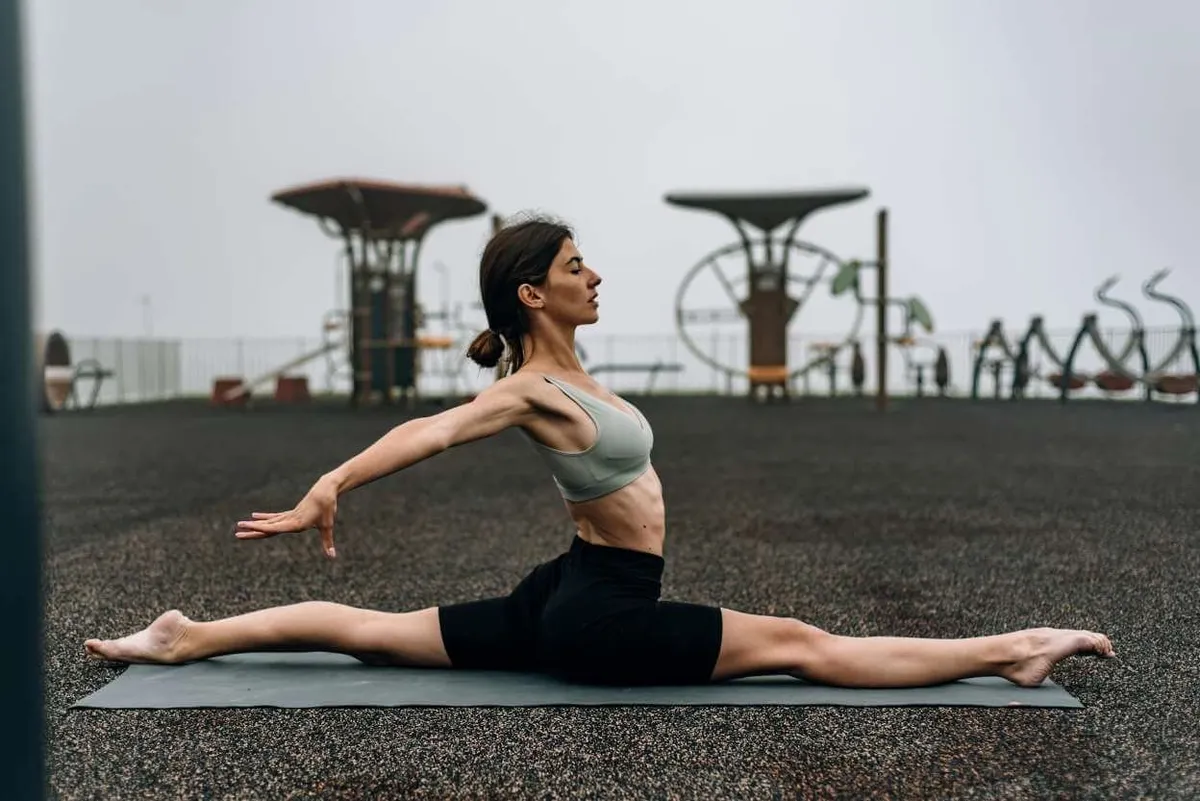
Yoga for Legs
Build stronger, more flexible legs with live, expert-guided yoga. Simple poses for hamstrings, quads, and calves, plus safe practice tips. All levels welcome.
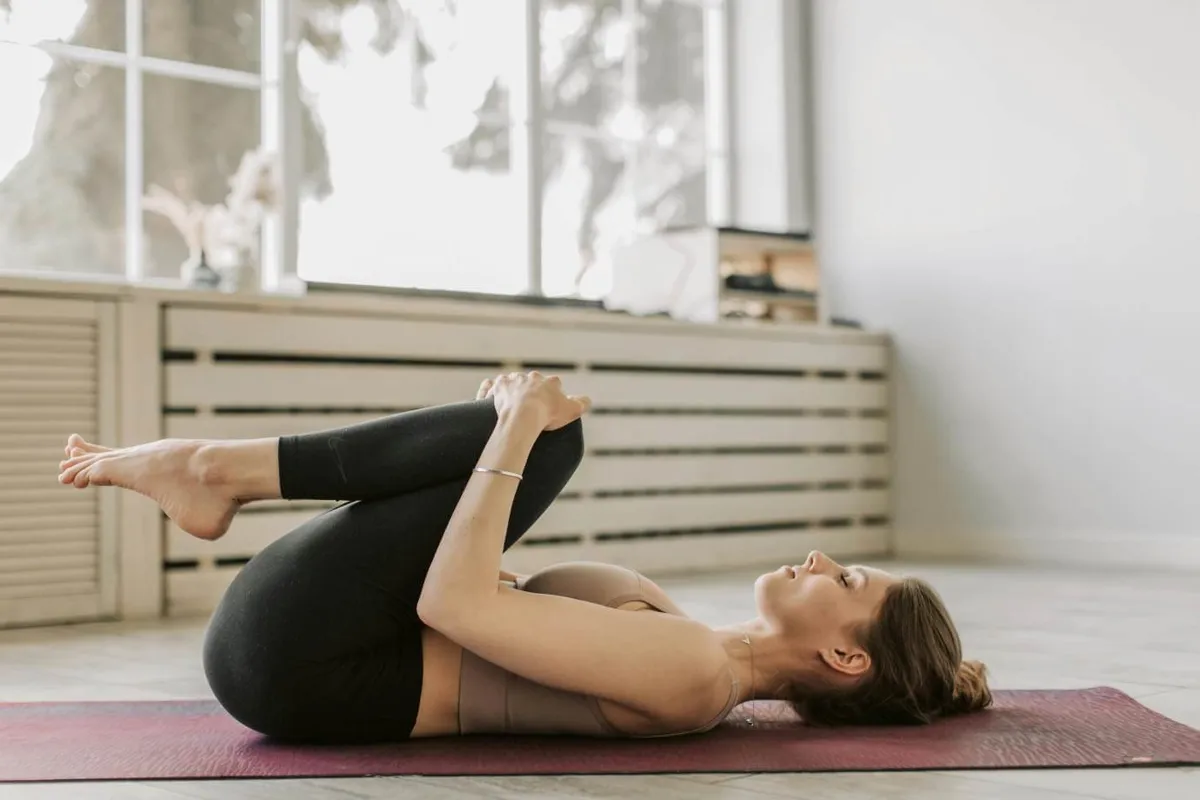
Yoga for Core Strength
Build real core strength with yoga. Five poses covering the front, sides, deep abdominals, and back body, guided live by certified instructors. All levels.