Does Yoga Build Core Strength?
Without a Single Crunch
Yoga builds the core through long holds and balance rather than crunches. Here is how, and which shapes help most.
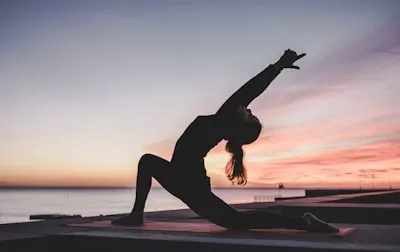
Ask most people what core work looks like and they will mime a sit-up. Fair enough - that is what we were all taught. The muscles around your middle, though, spend almost none of their real working life curling your ribs towards your hips.
What they actually do is hold you steady while your arms and legs get on with things. Which, as it happens, is more or less a description of yoga. Our yoga for core strength classes lean into that.
Holding Still Is the Work
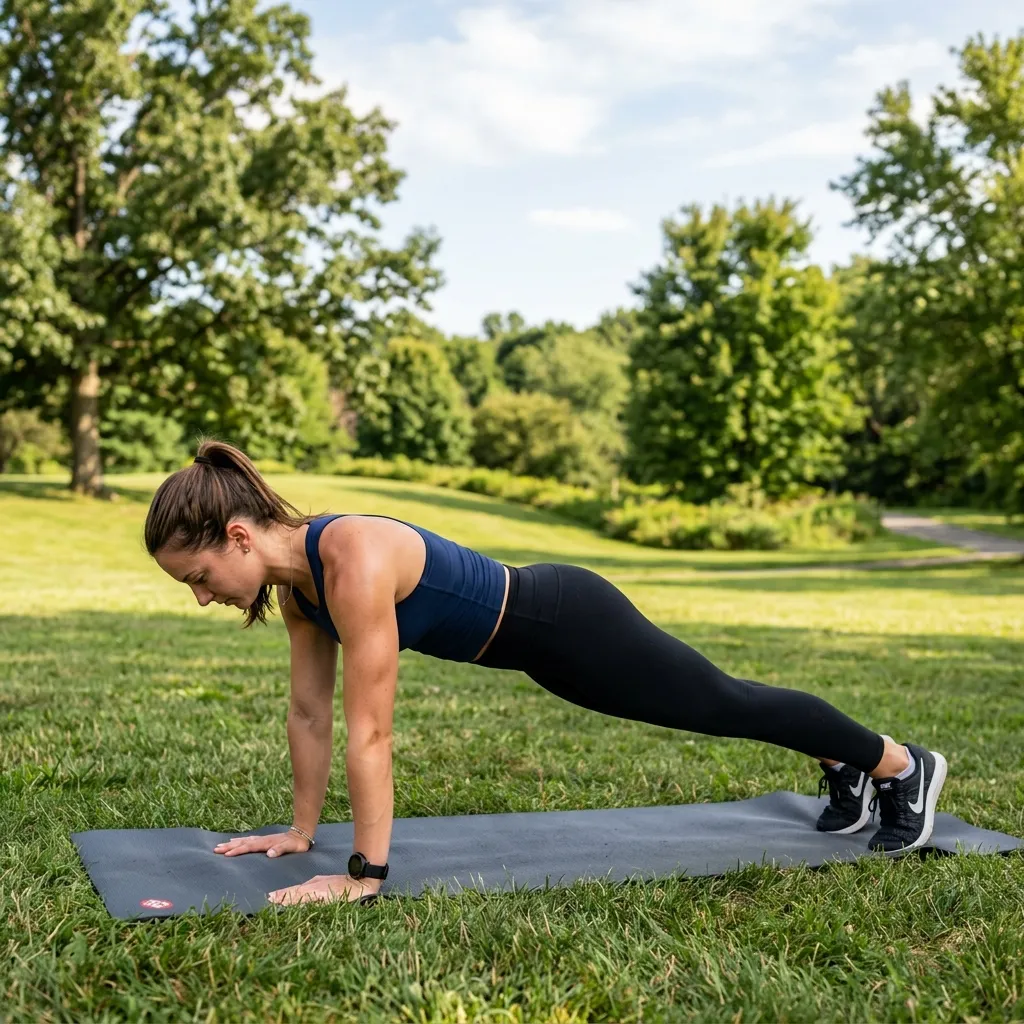
In a plank, nothing moves. That is exactly why it is hard. The same goes for a long-held Warrior III, or standing on one leg while the other reaches back - the middle of your body works constantly to stop you folding or twisting. That kind of steadying work carries over well into ordinary life: carrying shopping, lifting a child, standing through a long queue. Long holds also give the deeper stabilising muscles time to switch on, which quick reps often skip past.
A Gentle Reminder
This is general wellness guidance rather than medical advice. If you are pregnant, recently post-partum, or have an ongoing back concern, please check with a healthcare professional before adding core work. A gentle practice works best alongside their guidance.
Five Shapes That Earn Their Keep
Quality beats duration here. If your low back starts to sag or your breath disappears, come out, rest, and go again.
- Plank - the whole front and side of the body working together. Ten good seconds beats a shaky minute.
- Side plank with the lower knee down - brings in the muscles along the side of the waist that crunches never reach.
- Boat pose - a strong, honest hold for the front of the body. Bend the knees as much as you need.
- Bird dog - opposite arm and leg reaching, everything else still. Excellent for the deep stabilisers.
- Warrior III with hands on a wall - balance plus a long hold. Hard in a way that sneaks up on you.
Breathing Is Part of It
Here is a good test: hold a plank and try to breathe normally. If you cannot, you are gripping rather than working. The core is meant to stabilise while the ribs and diaphragm keep moving, and that coordination is trainable. Practising it also makes everything else easier, because the breath is what carries you through the second half of a long hold.
How Often, and What to Expect
Three sessions a week that include some core work is plenty. Most people notice the difference first in unglamorous places: standing feels less effortful, the plank that was ten seconds becomes thirty, getting up off the floor takes less negotiation. Visible change takes longer and depends on plenty besides exercise. Results vary. A stronger middle also tends to support the lower back, which is a welcome side benefit.
Helpful further reading
- Strength exercises — NHS
- Physical activity basics — CDC
- Yoga: What you need to know — U.S. National Center for Complementary and Integrative Health
About the author
The YogShri editorial team writes warm, plain-spoken, evidence-aware yoga and wellness guides. We teach mindful movement, breathwork and relaxation for everyday well-being. We are not medical professionals, and our articles are general education, not medical advice.
Build Strength That Shows Up
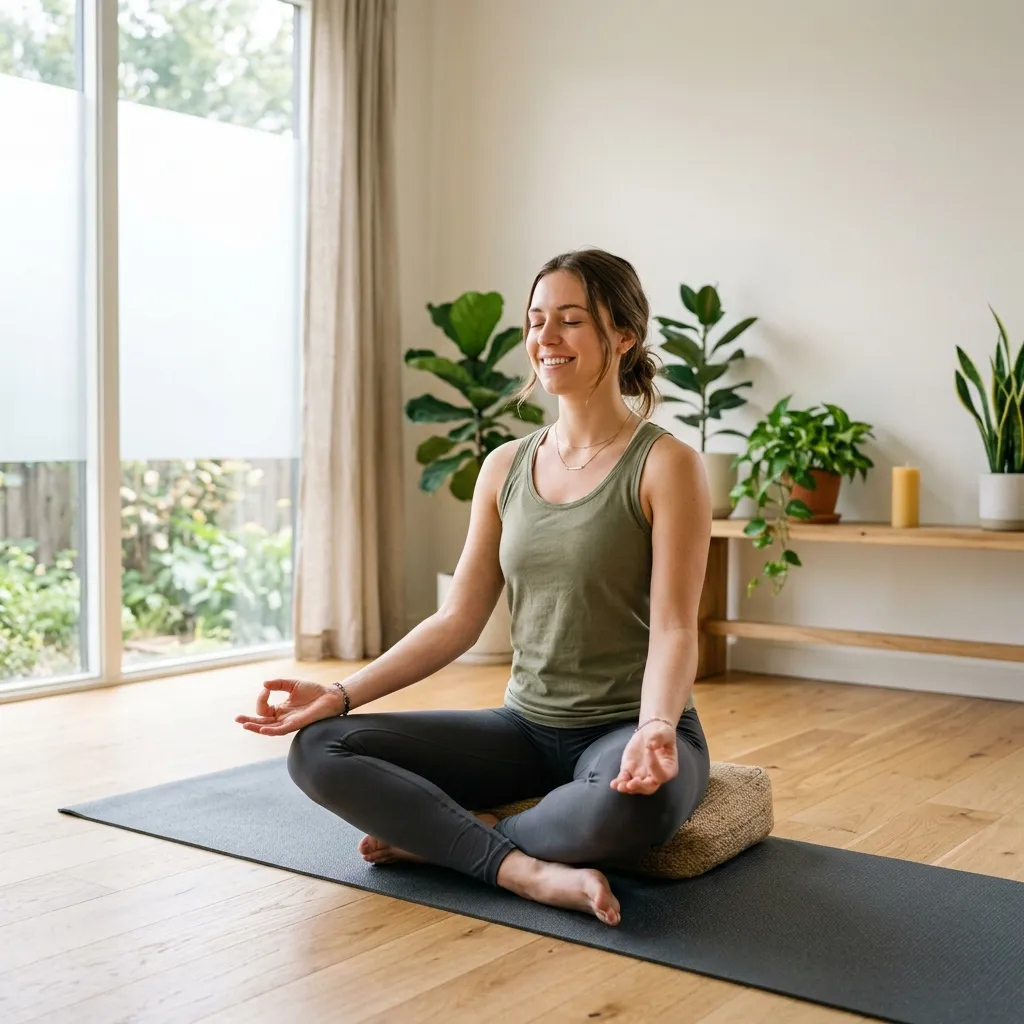
Join YogShri for live classes with instructors watching your form through every hold.
- Live guidance on your alignment
- Options for every body and level
- Progressions you can build on
No commitment. Cancel anytime.
Explore Our Yoga Programs
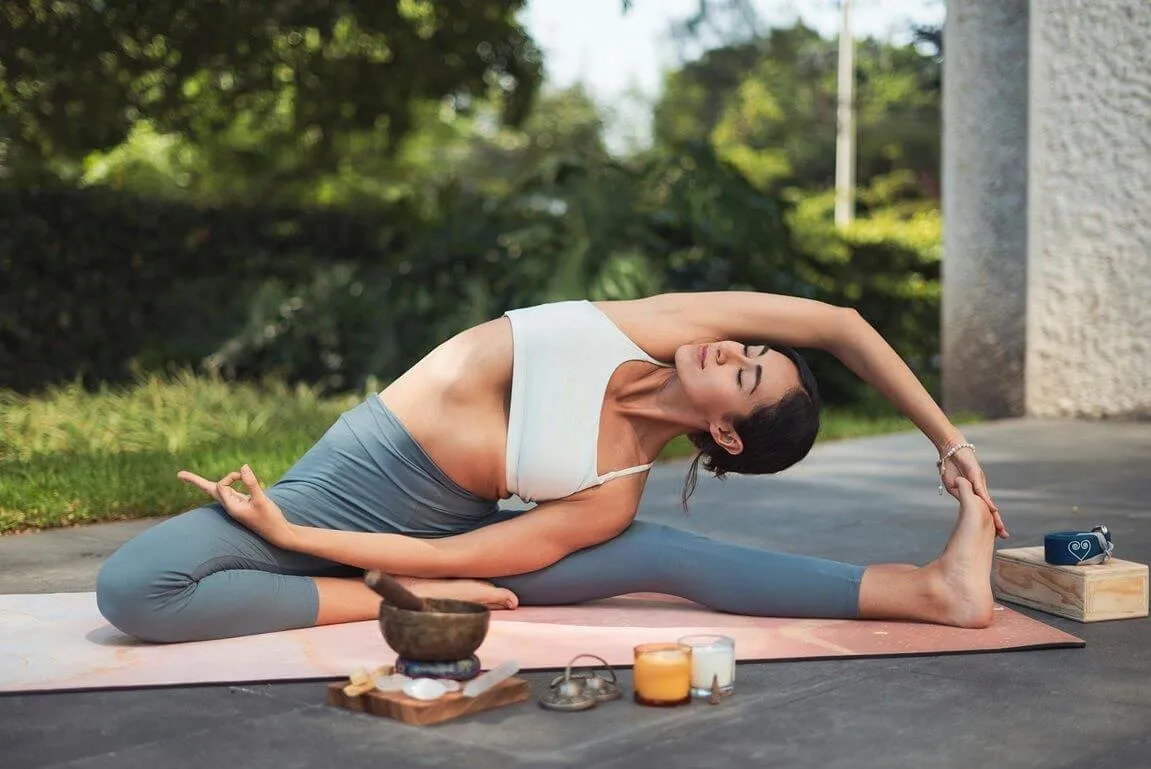
Yoga for the Lower Back
Gentle, beginner-friendly yoga for your lower back. Instructor-guided poses and mindful movement to support mobility and everyday comfort.
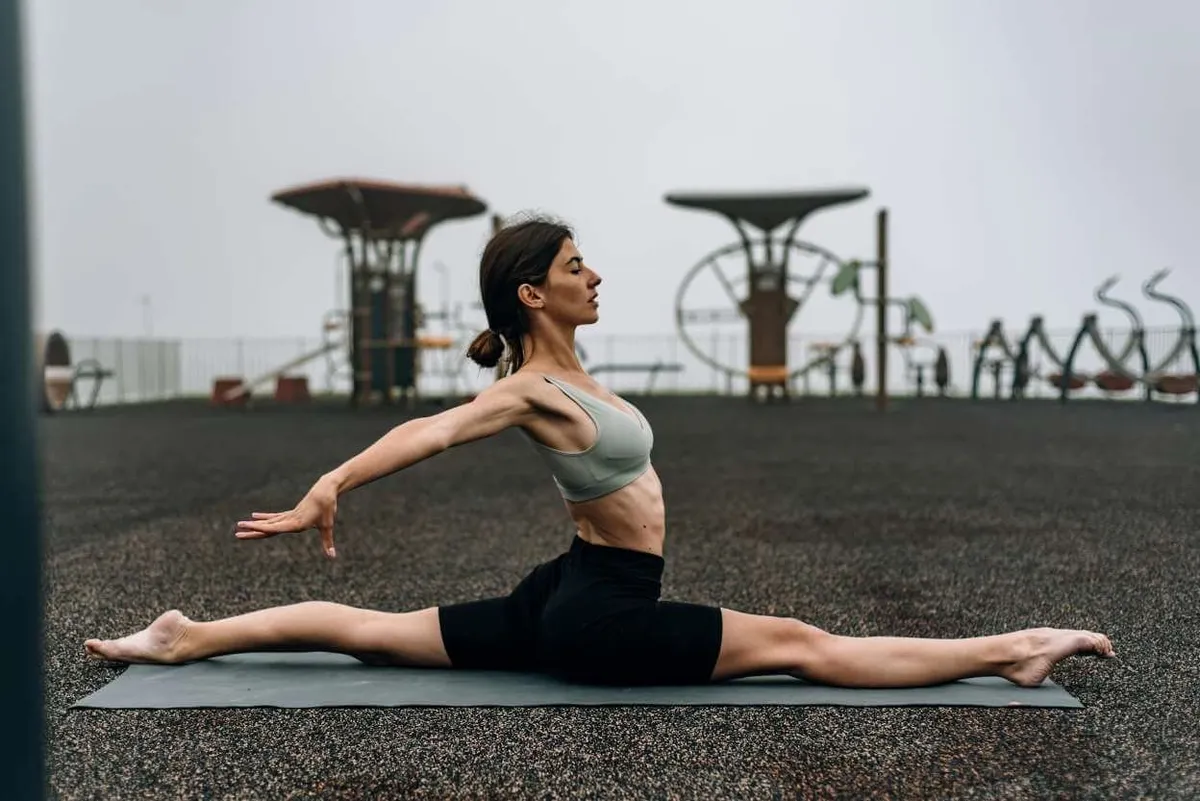
Yoga for Legs
Build stronger, more flexible legs with live, expert-guided yoga. Simple poses for hamstrings, quads, and calves, plus safe practice tips. All levels welcome.
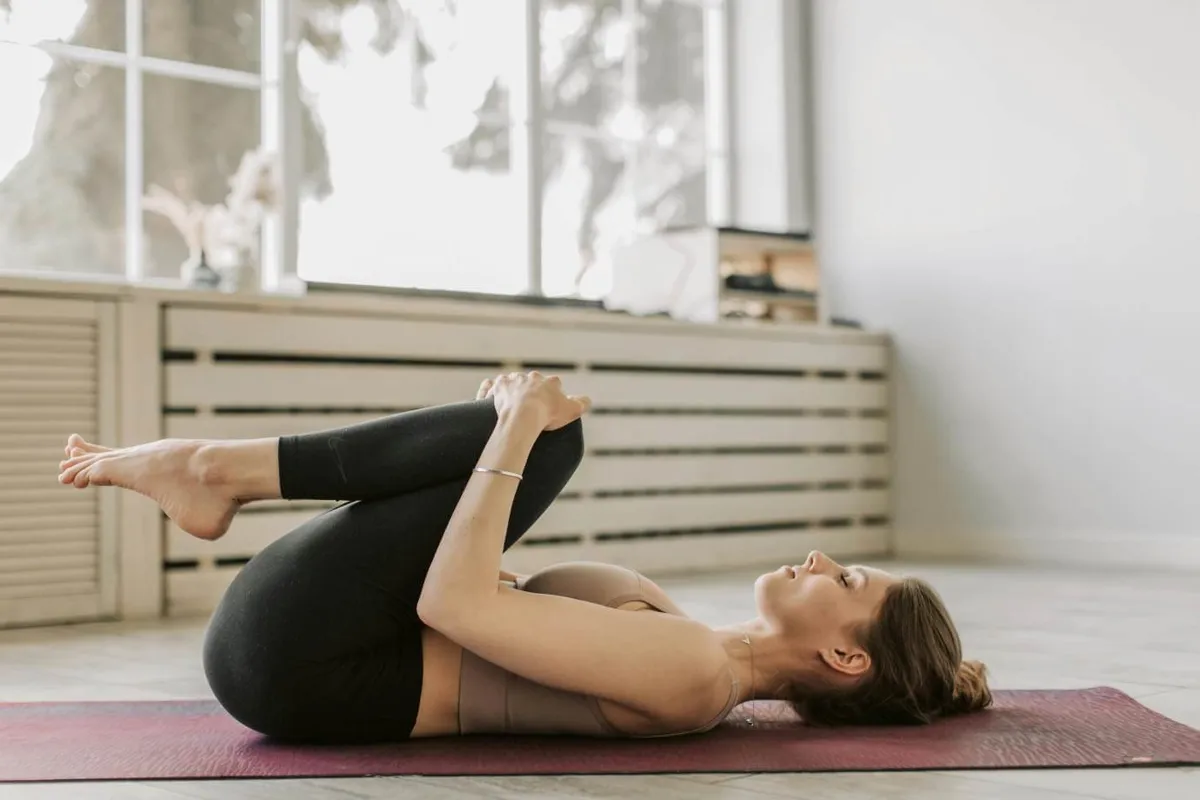
Yoga for Core Strength
Build real core strength with yoga. Five poses covering the front, sides, deep abdominals, and back body, guided live by certified instructors. All levels.