Can Yoga Help With Anxiety?
Slow Breath, Steady Ground
A slow practice gives a wound-up system something simple to do. Here is what tends to help, and where to begin.
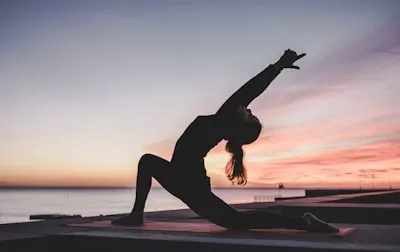
Anxiety is loud in the body long before we name it. Shallow breath high in the chest, shoulders up, jaw set, a stomach that will not settle. You can be sitting perfectly still and working extremely hard.
A slow yoga practice meets all of that where it is. It offers the body something straightforward to do instead - lengthen the exhale, feel the floor, move at a pace that is easy to follow. Our yoga for anxiety and stress classes are built around that idea.
Start With the Exhale
If you remember one thing, make it this: let the out-breath be longer than the in-breath. In for four, out for six, for a minute or two. No pose, no mat, nothing to learn. It is the most portable tool in the whole practice, and it works on a train, in a car park, or two minutes before a meeting you are dreading.
A Gentle Reminder
This is general wellness guidance rather than medical advice. If anxiety is persistent or affecting your daily life, please speak with a doctor or a qualified mental health professional. A gentle practice is a supportive habit alongside proper care.
Shapes That Tend to Settle Things
The theme here is low, supported and unhurried. Nothing that asks you to balance, nothing upside down, nothing that needs effort to hold.
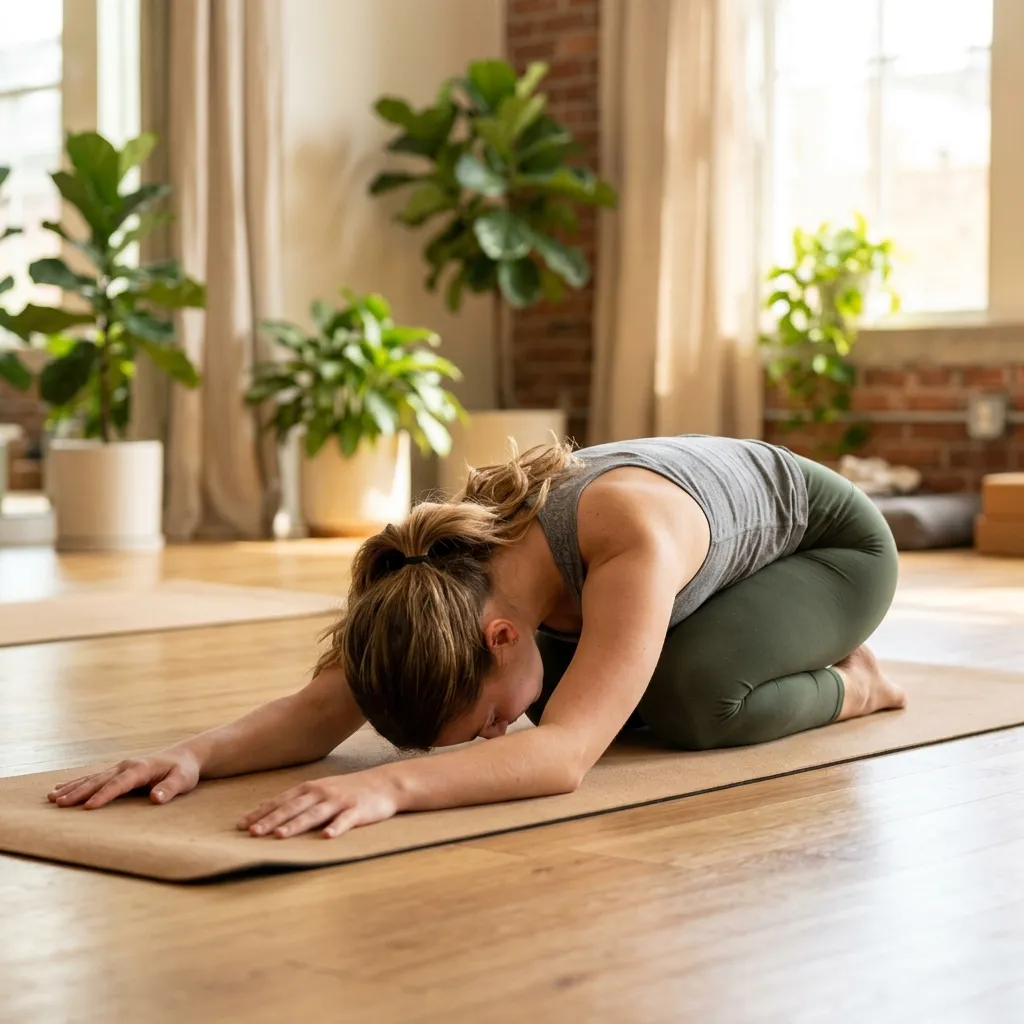
- Child's pose - forehead supported, back rounded. Small, contained, and often the first place the breath drops.
- Legs up the wall - three minutes of doing genuinely nothing, with the legs resting up.
- Reclined butterfly with cushions - chest open, hips supported, entirely passive.
- Reclined twist - slow rotation while lying down, one side and then the other.
- Lying still with a hand on the belly - feeling the breath move something is often steadier than counting it.
Slow Beats Strong Here
A fast, sweaty flow has real value, and plenty of people find it clears their head beautifully. When the system is already revved, though, the practices that tend to help most are the slow ones - long holds, plenty of props, a teacher setting an unhurried pace. Save the strong flows for a day when you want energy, and let this kind of session be about settling.
Little and Often Wins
Five minutes most days will do more than an hour when things get difficult. Part of what makes a practice useful in a hard moment is that it is already familiar, so practise on the ordinary days too. Anchor it to something you already do - after brushing your teeth, before you open your laptop - and keep the bar low enough that a tired version still counts. Results vary. A slow evening practice often pairs well with this.
Helpful further reading
- Anxiety, fear and panic — NHS
- Relaxation techniques: Breath control helps quell errant stress response — Harvard Health Publishing
- Yoga: What you need to know — U.S. National Center for Complementary and Integrative Health
About the author
The YogShri editorial team writes warm, plain-spoken, evidence-aware yoga and wellness guides. We teach mindful movement, breathwork and relaxation for everyday well-being. We are not medical professionals, and our articles are general education, not medical advice.
A Calmer Ten Minutes
Join YogShri for live, slow-paced classes with instructors setting an unhurried pace.
- Slow, fully supported poses
- Guided breathing in every class
- Small, friendly online classes
No commitment. Cancel anytime.
Explore Our Yoga Programs
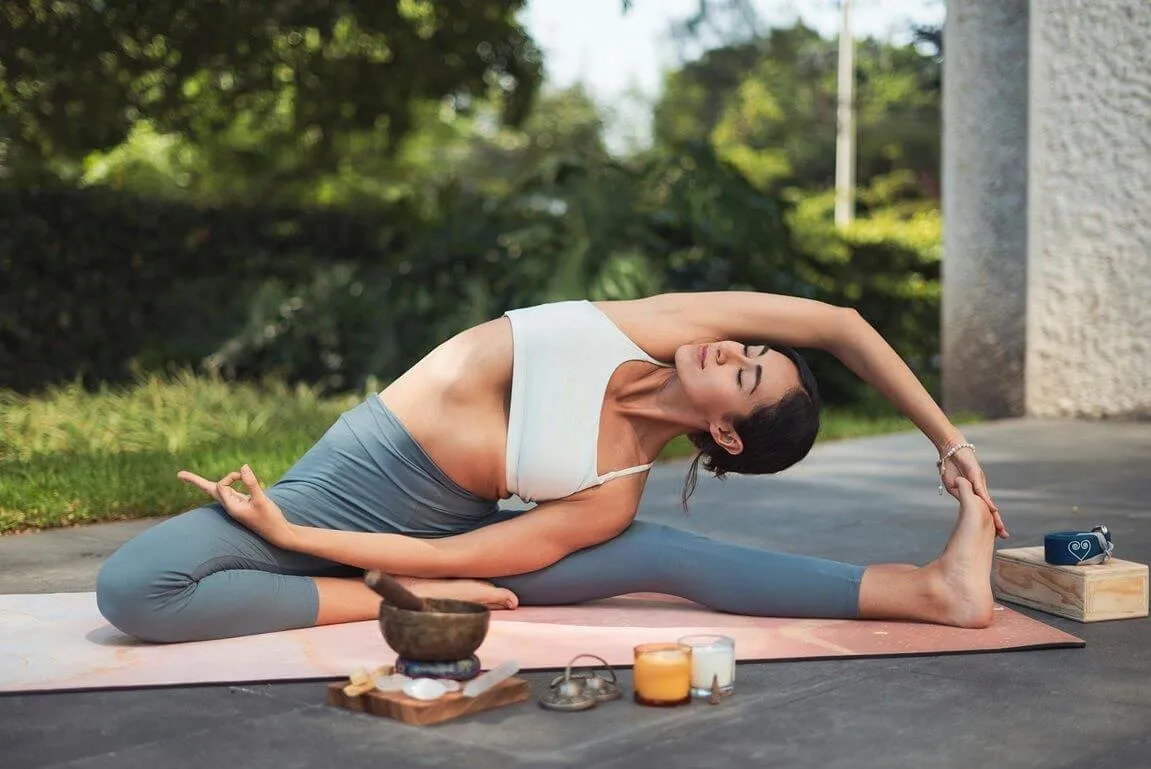
Yoga for the Lower Back
Gentle, beginner-friendly yoga for your lower back. Instructor-guided poses and mindful movement to support mobility and everyday comfort.
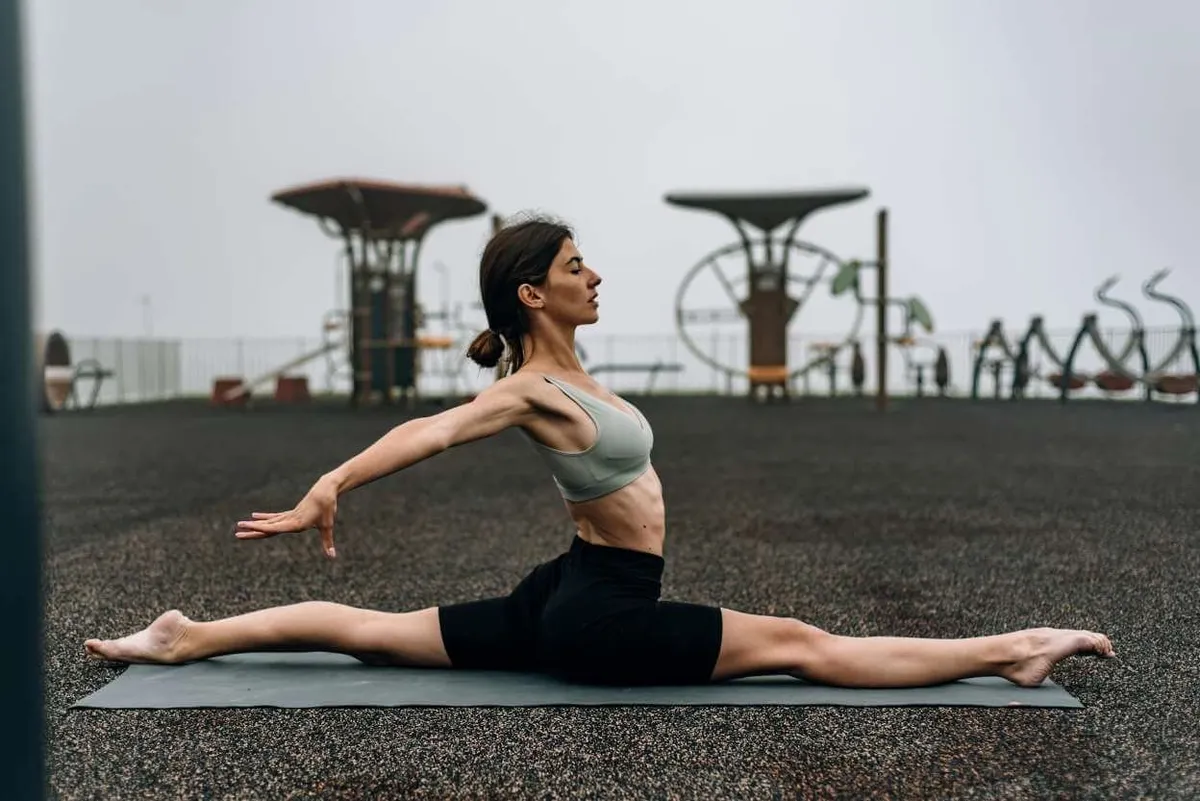
Yoga for Legs
Build stronger, more flexible legs with live, expert-guided yoga. Simple poses for hamstrings, quads, and calves, plus safe practice tips. All levels welcome.
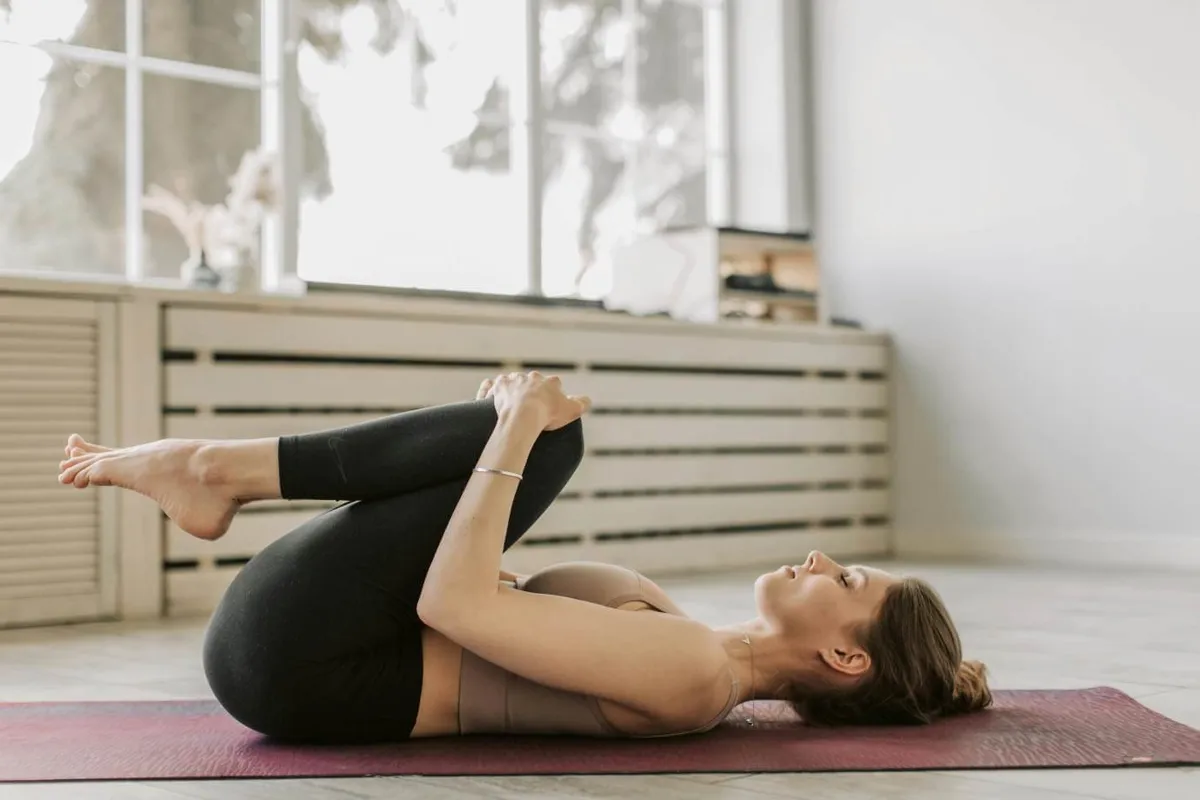
Yoga for Core Strength
Build real core strength with yoga. Five poses covering the front, sides, deep abdominals, and back body, guided live by certified instructors. All levels.